

Why Cars Break Down on Long Trips

And the Simple Checks That Prevent It

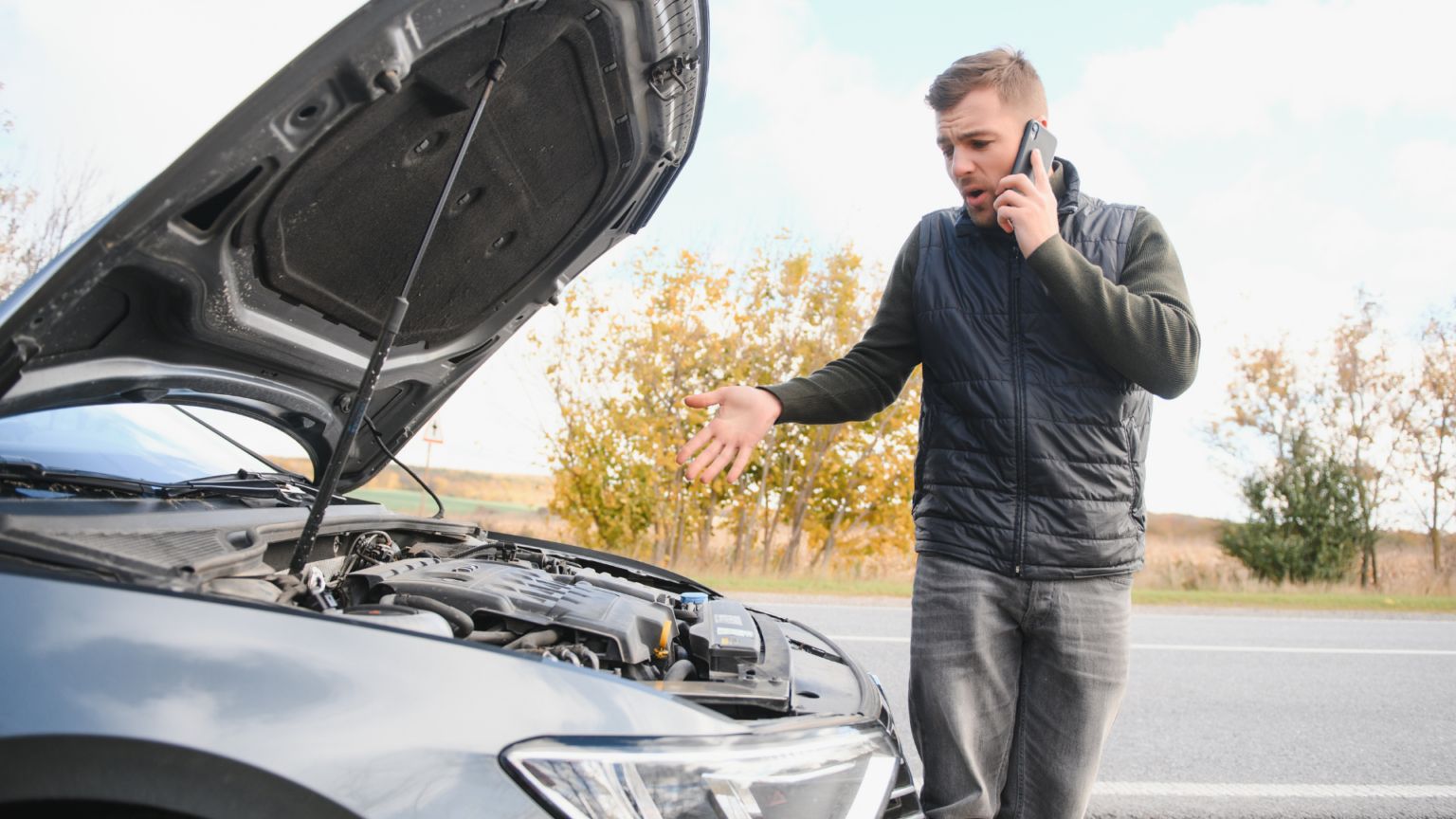
After years of driving trucks and cars across Europe, I’ve noticed something very clear: Most car breakdowns don’t happen randomly — they come from small things drivers ignore before a long trip.

I’ve seen drivers stuck at night with a dead battery, no lights, and no way to restart the car. In most cases, the warning signs were there — they were just ignored until it was too late.

That’s exactly why, before any long drive, I take a few minutes to check the essentials. Not because I’m overly cautious — but because I’ve seen what happens when you don’t.

If you want to avoid common roadside problems, these are the checks that make the biggest difference.

Car Battery – The Most Common Cause of Breakdowns on Long Trips

A weak car battery is one of the main reasons vehicles fail — especially in cold weather.

The problem is, batteries don’t usually fail instantly. They give warning signs first — but most drivers ignore them.

What to check before a long drive:

  • Engine cranks slower than usual
  • Headlights appear dim
  • Electronics feel weaker

I’ve seen cars working perfectly one day and completely dead the next morning. And when the battery fails, it usually happens at the worst possible moment.

If your battery is already a few years old, replacing it early is far cheaper than dealing with a breakdown.

Varta

A brand often chosen by drivers for reliable starts and a long lifespan.
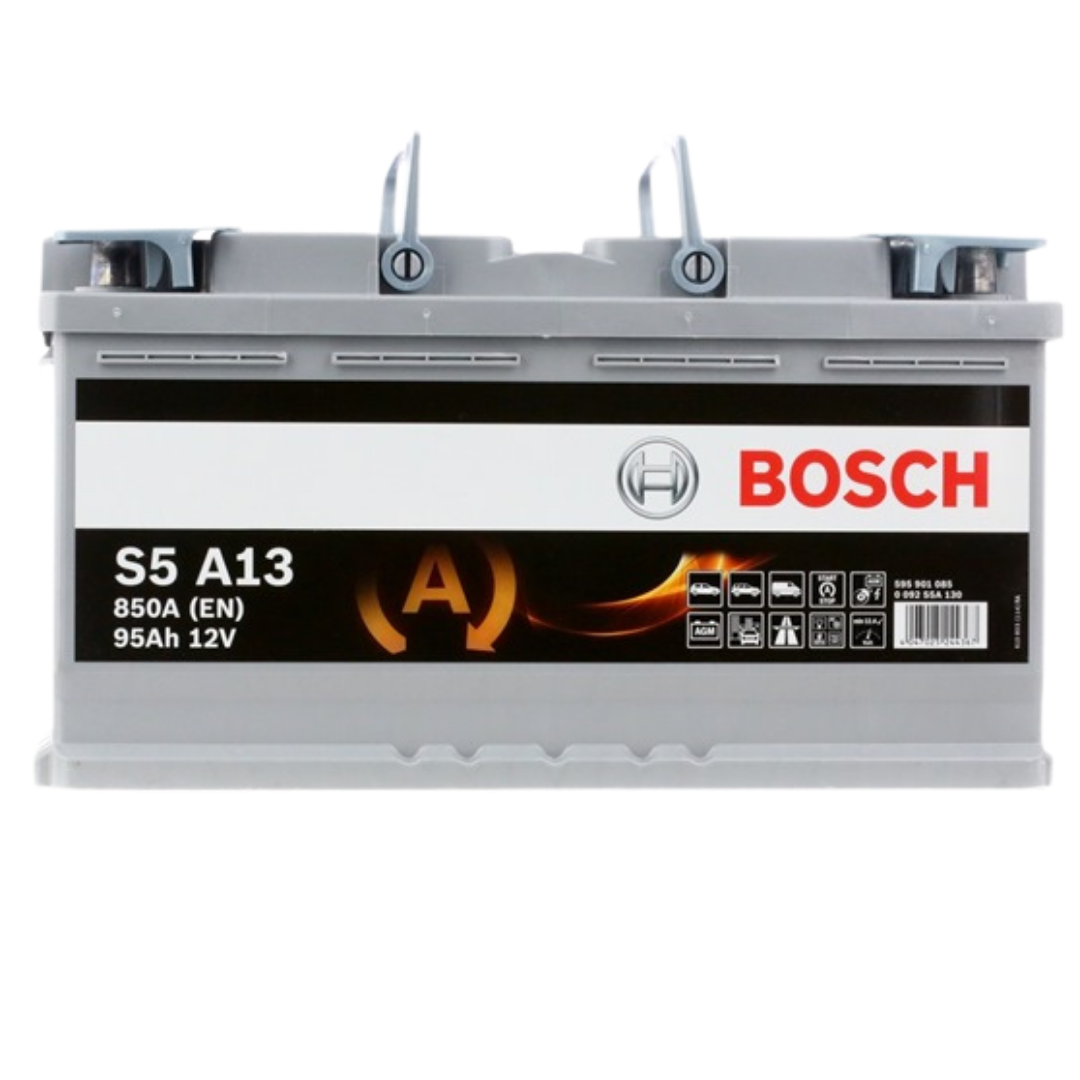
Bosch

Good performance, suitable for both daily and more demanding operation.
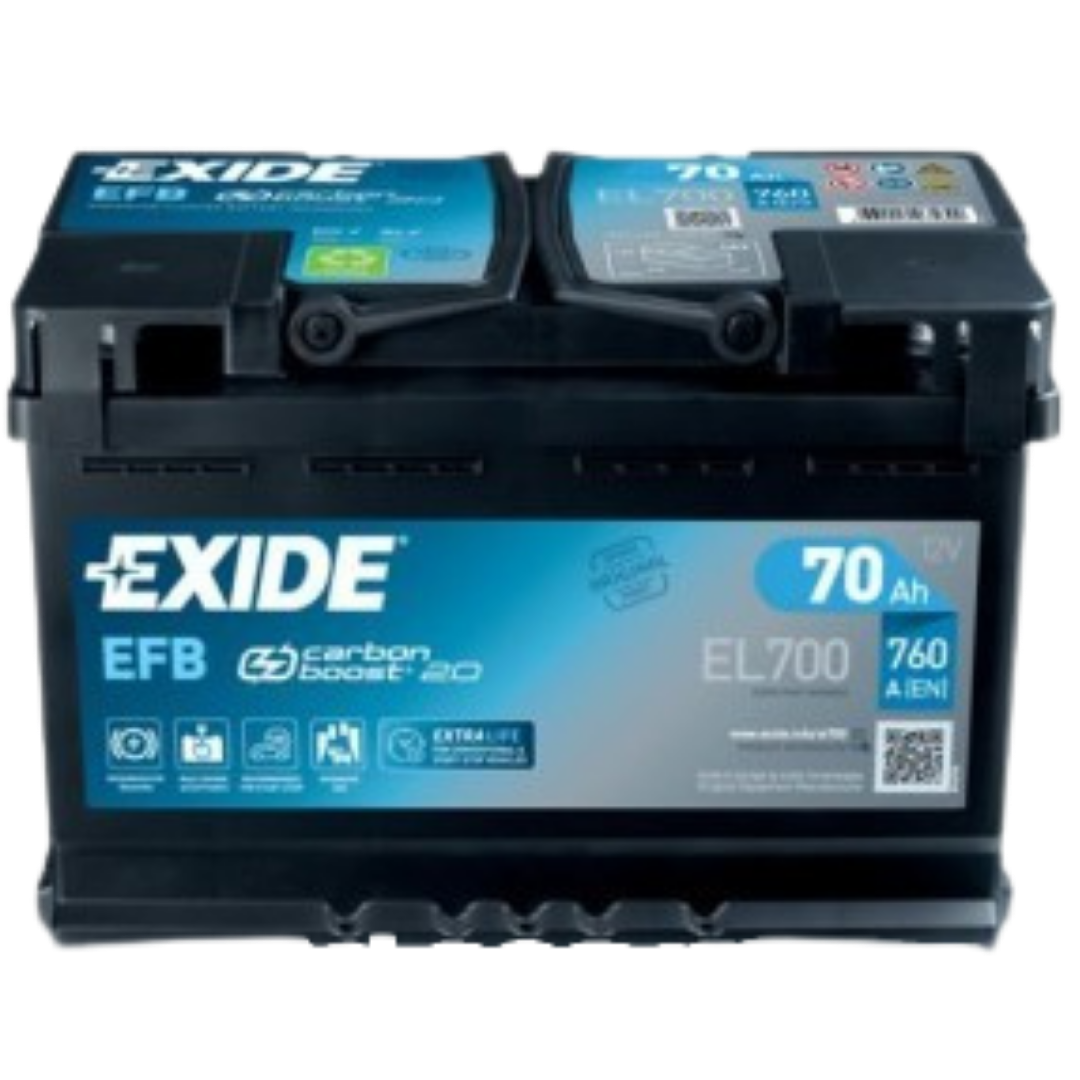
Exide

A good choice for a balanced price-to-reliability ratio in regular use.
Brakes – Your Safety System You Should Never Ignore

Your brakes are the most important safety system in your car.

The problem is, worn brake pads or damaged discs don’t always feel dangerous at low speeds. But once you’re on the highway, the difference becomes very clear.

I’ve driven vehicles where braking felt fine in the city — but at higher speeds, the stopping distance was noticeably longer. That’s not something you want to discover in an emergency.

Warning signs you should never ignore:

  • Squealing or grinding noises
  • Vibrations or pulsation when braking
  • Low brake fluid level

If anything feels off, fix it before the trip — not during it.

From experience, having reliable brake components is not optional. It’s what keeps you safe when it matters most.

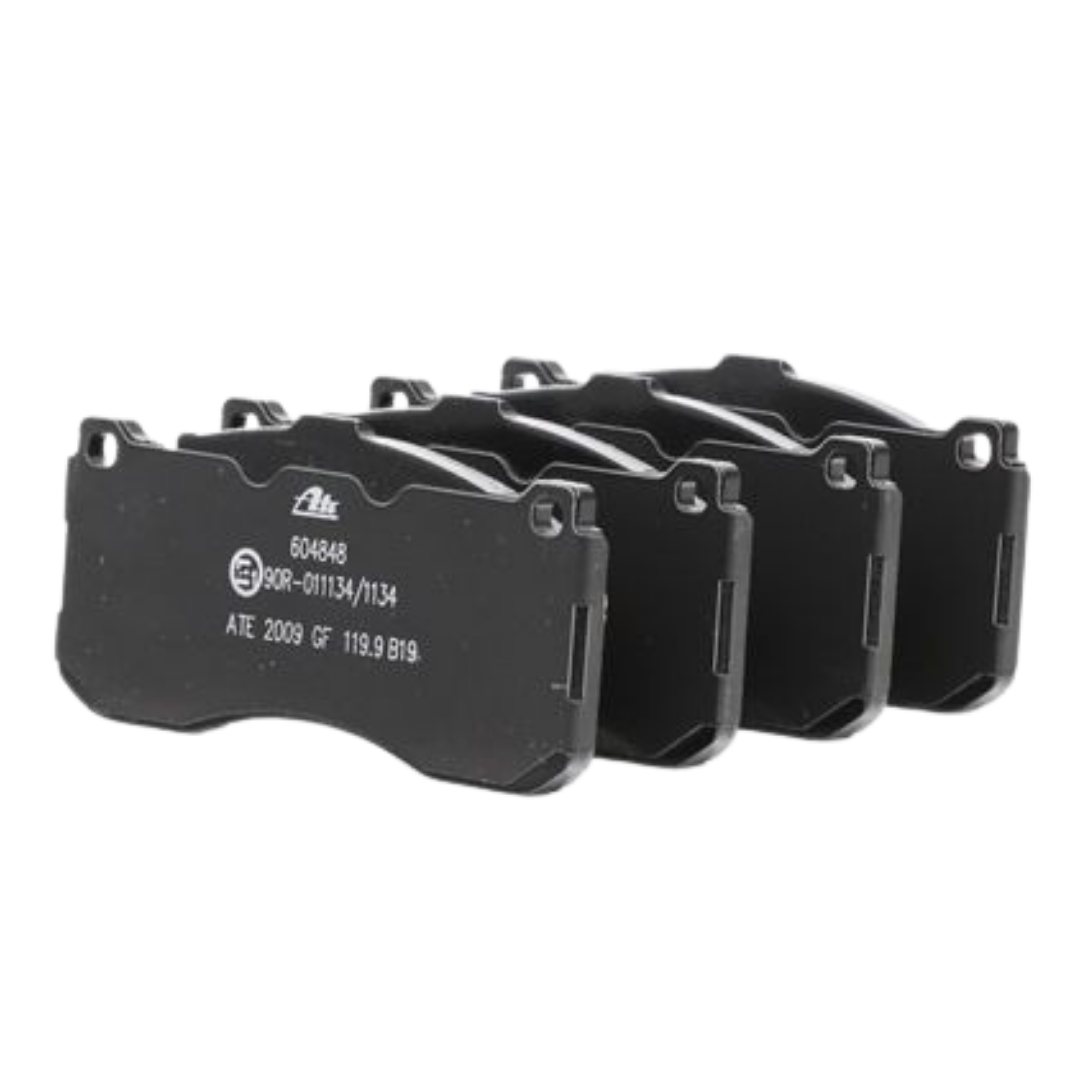
ATE

A proven brand focusing on stable braking performance and long lifespan.
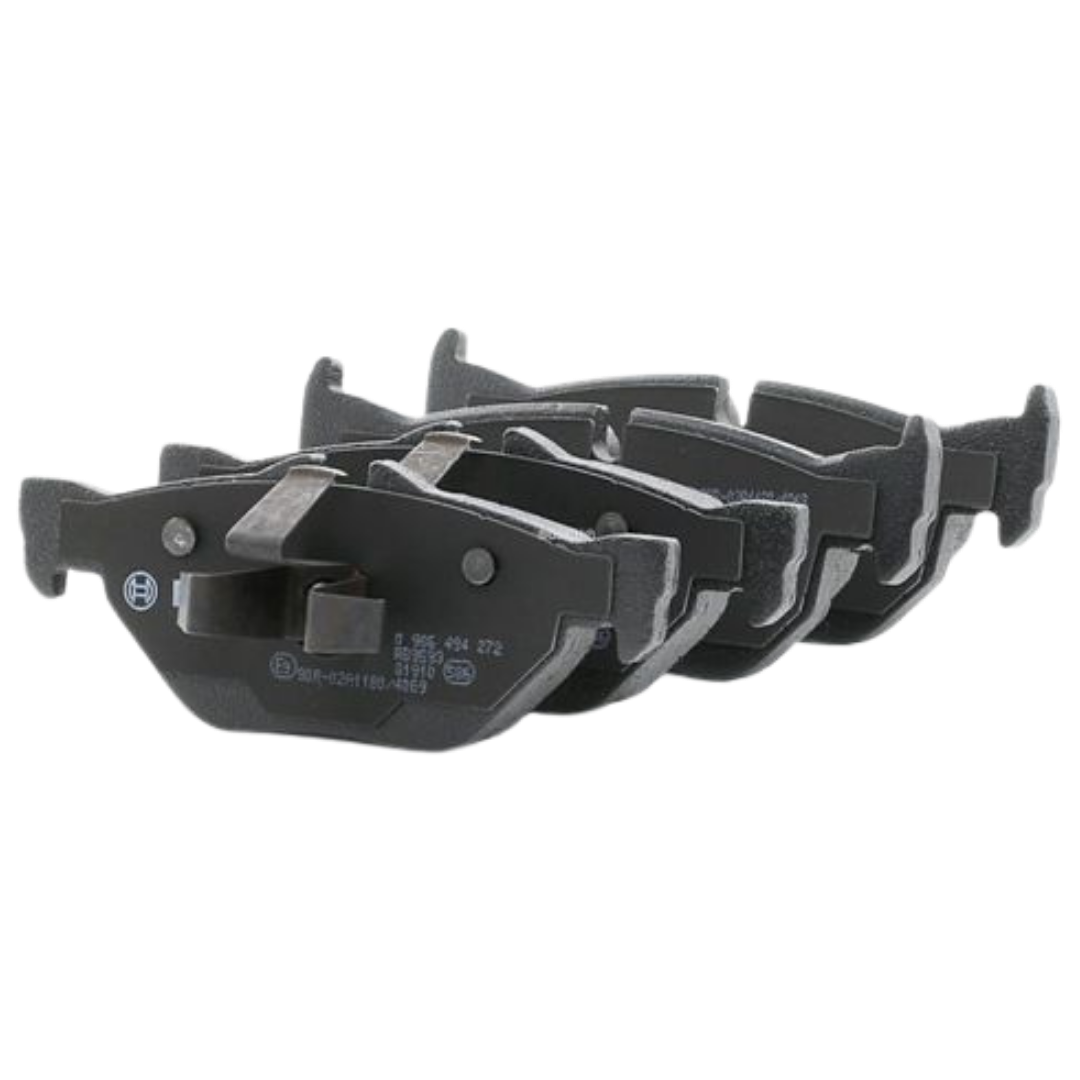
Bosch

A choice for daily operation and balanced performance in various conditions.
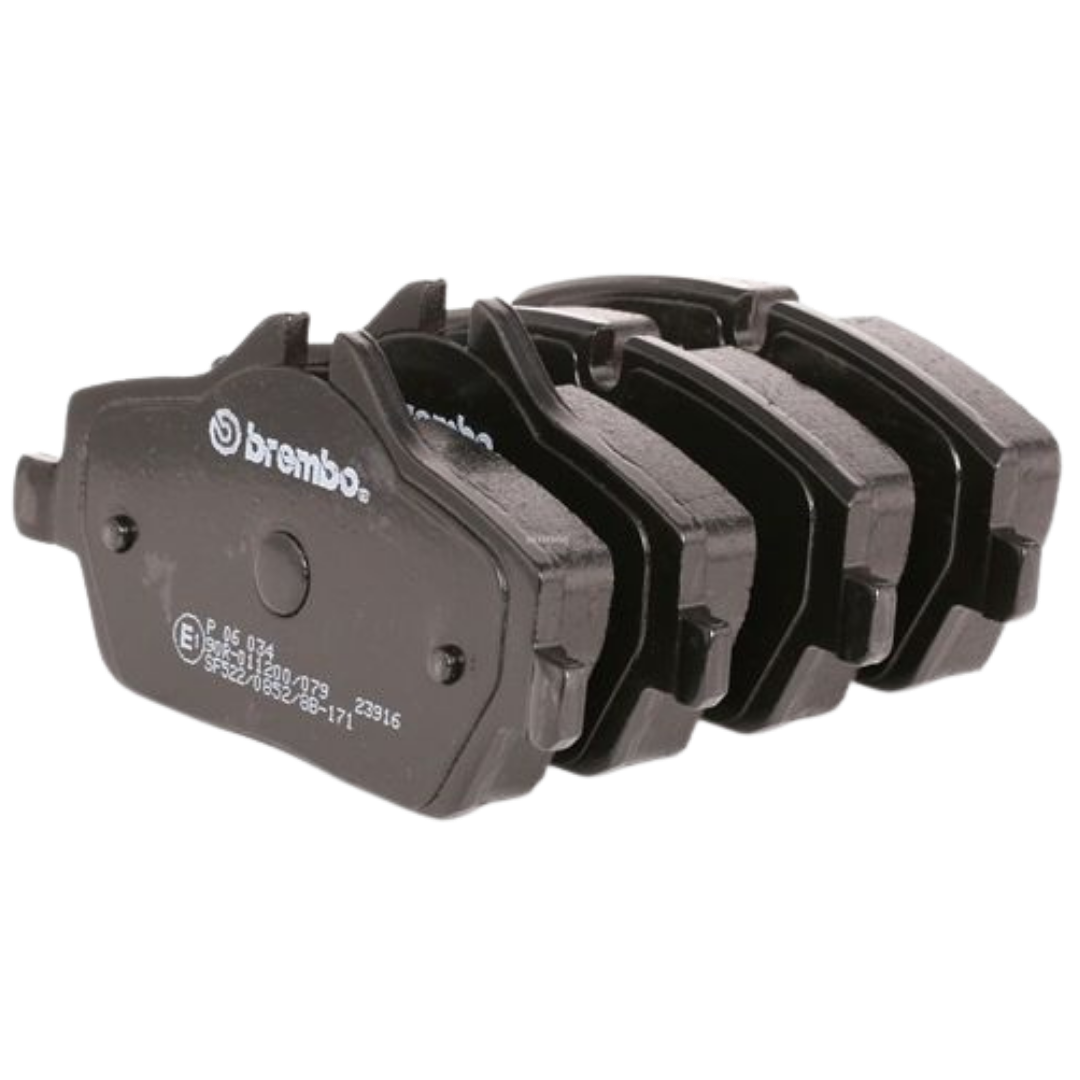
Brembo

Performance and confidence in braking under higher loads.
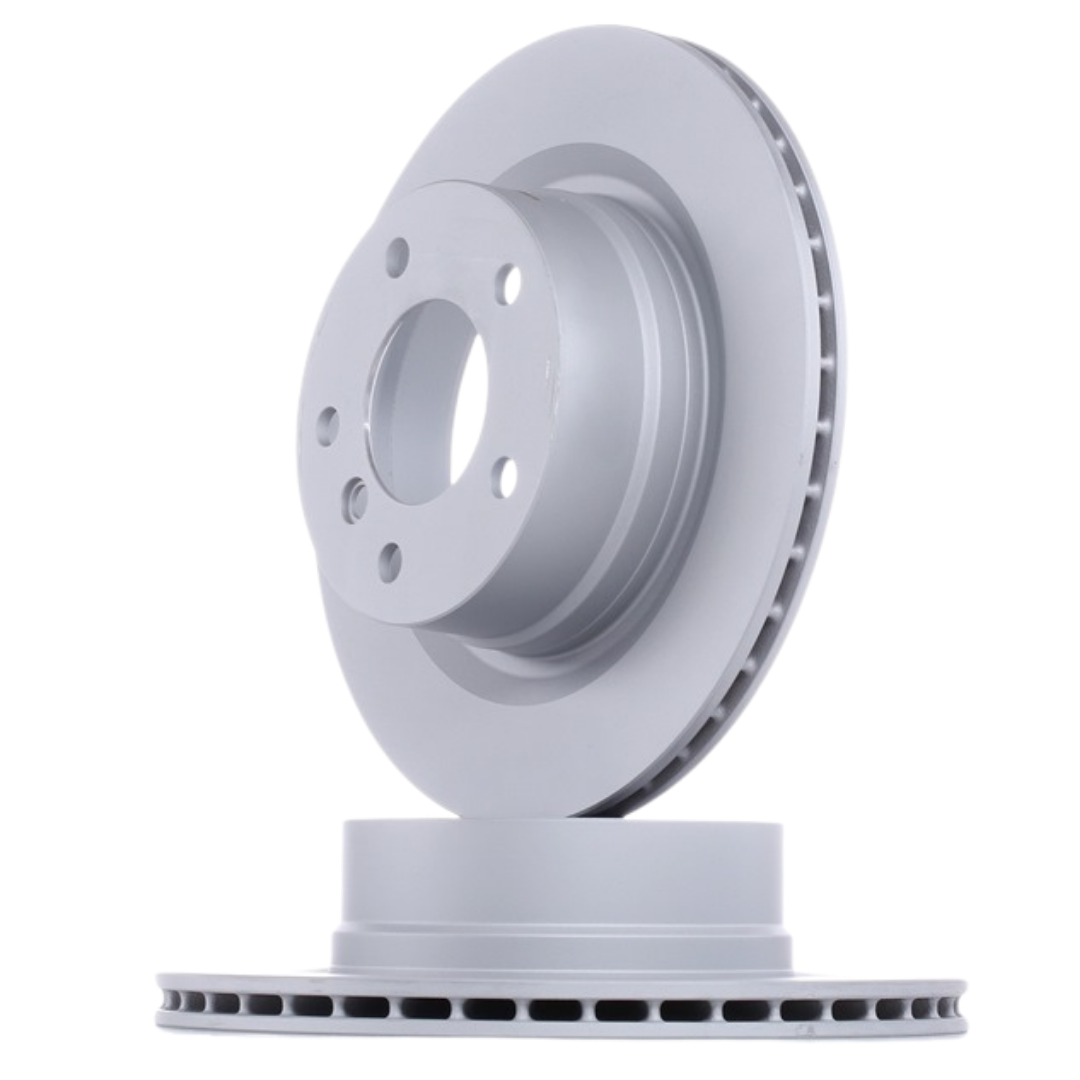
ATE

Reliable discs for stable performance
and even wear.
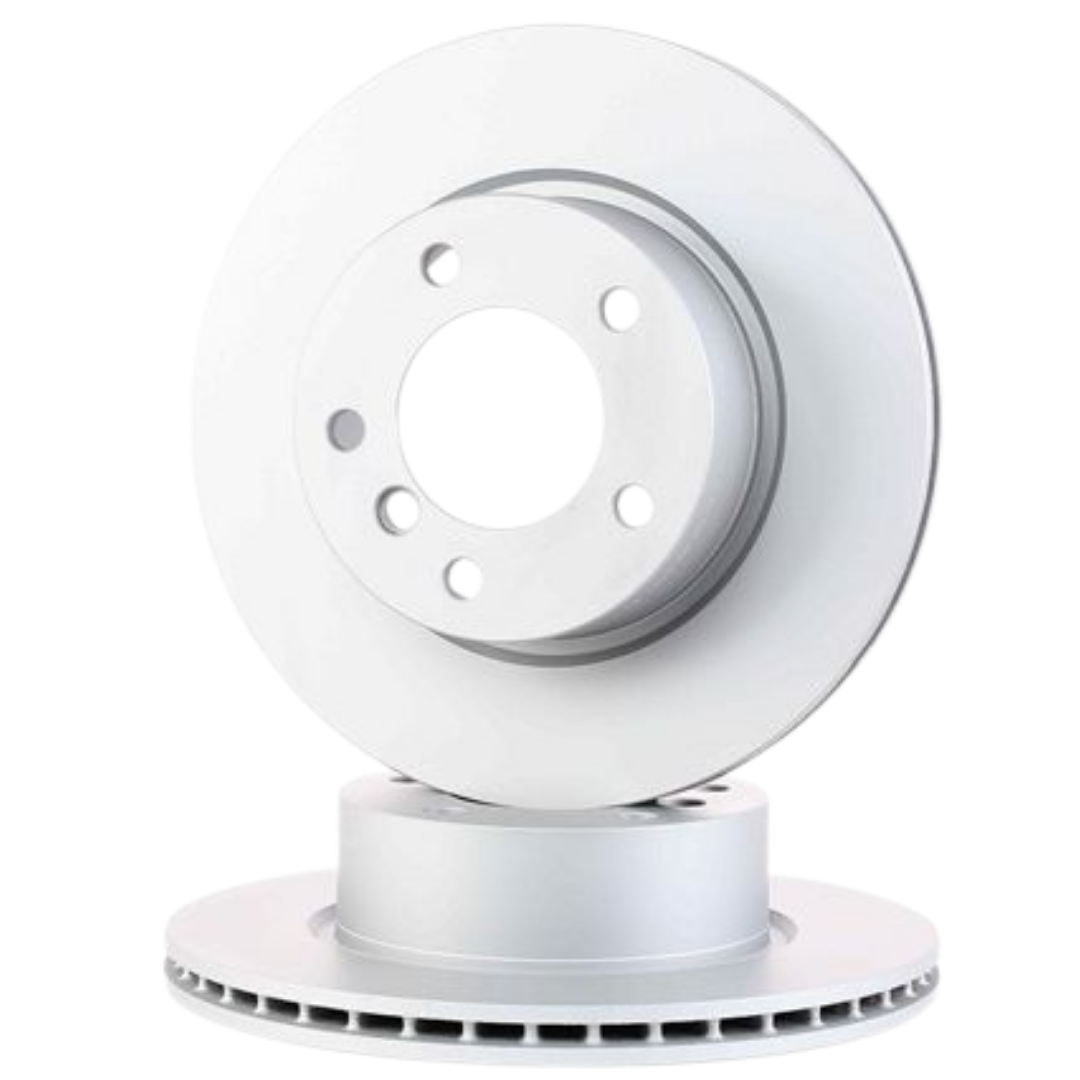
Bosch

Solution for regular operation and confidence during daily driving.
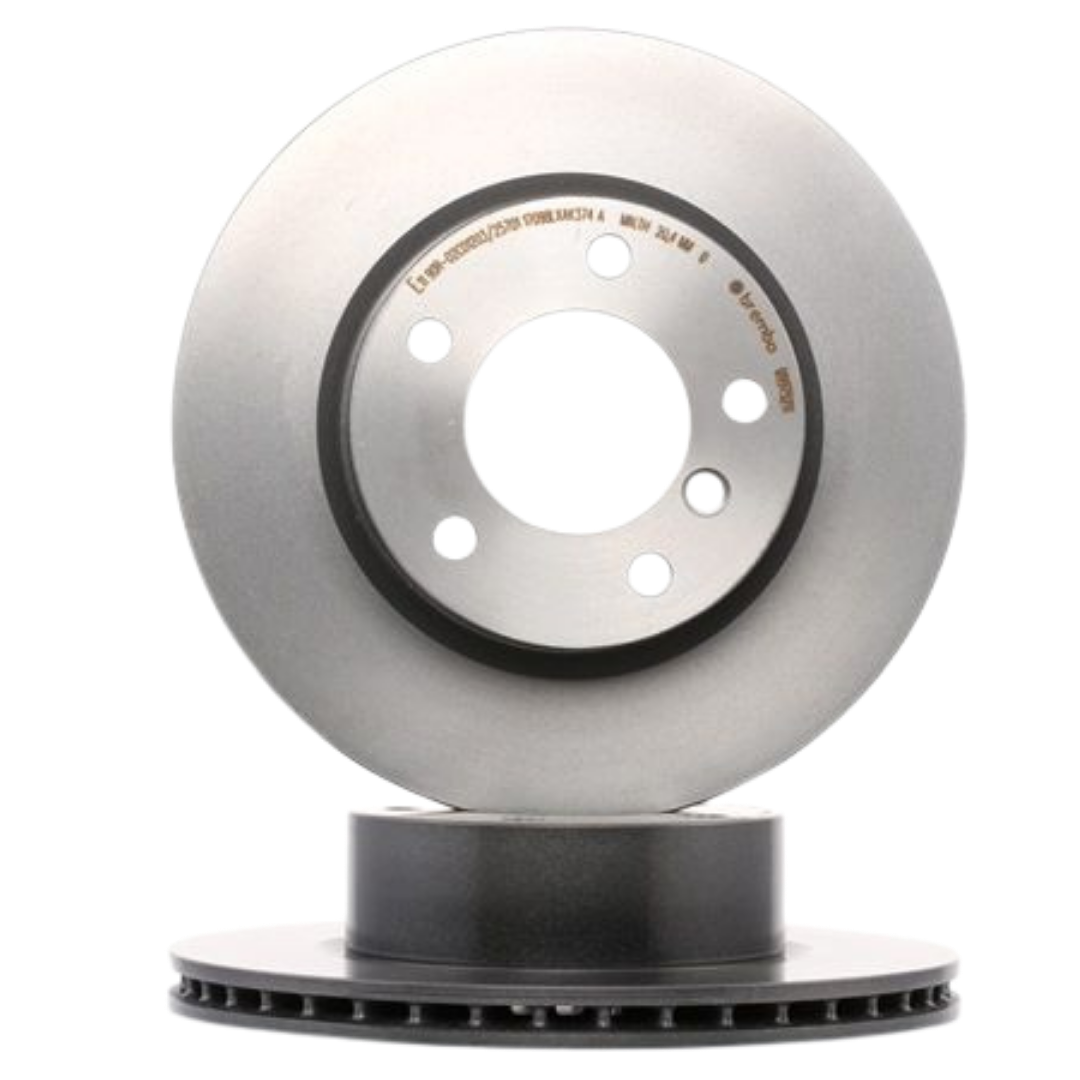
Brembo

Variant suitable even for more demanding driving and higher loads.

Jack, Tools & Safety Gear – The Small Things That Cause Big Problems

A flat tire is not the real problem.

The real problem is not having the right tools when it happens.

I’ve seen drivers with a spare tire who couldn’t use it — simply because the jack or wrench was missing or unusable. What should be a 15-minute fix turns into a major delay.

Before every long trip, I check:

  • Spare tire is properly inflated
  • Jack is in place and working
  • Lug wrench fits the wheel bolts

One detail many drivers overlook:
Keep your safety vest inside the car (door pocket or glovebox), not buried in the trunk. In many countries, it’s legally required before you even step out of the vehicle. Having the right tools ready is one of those things you don’t think about — until you really need them.

Visibility & Washer Fluid – A Simple Check That Can Prevent Dangerous Situations

Good visibility is not optional — it’s critical for safe driving.

If a truck splashes dirt or water onto your windshield and you don’t have washer fluid, your visibility can disappear instantly. That’s not just uncomfortable — it’s dangerous.

Modern cars also rely on sensors for systems like emergency braking or cruise control. If those sensors are dirty, they may not work properly.

Before driving, I always:

  • Top up washer fluid
  • Clean the windshield
  • Wipe headlights and sensors

It takes less than a minute, but it can make a huge difference in real driving conditions.

This is exactly why I never ignore something as simple as washer fluid — it directly affects safety.

Sonax

A proven brand with an emphasis on effective glass cleaning and good visibility under various conditions.

Liqui Moly

A high-quality solution for reliable cleaning and long-term protection of the washer system.

My Simple Pre-Trip Car Checklist

If you’re not sure what to check before a long drive, this is the routine I follow every time:

✔️ Listen to how the engine starts (battery condition)

✔️ Check brake response and fluid level

✔️ Make sure tools and safety gear are ready

✔️ Top up washer fluid and clean lights/sensors

It takes only a few minutes — but it prevents most common roadside problems.